Minka: the Patina of Ages
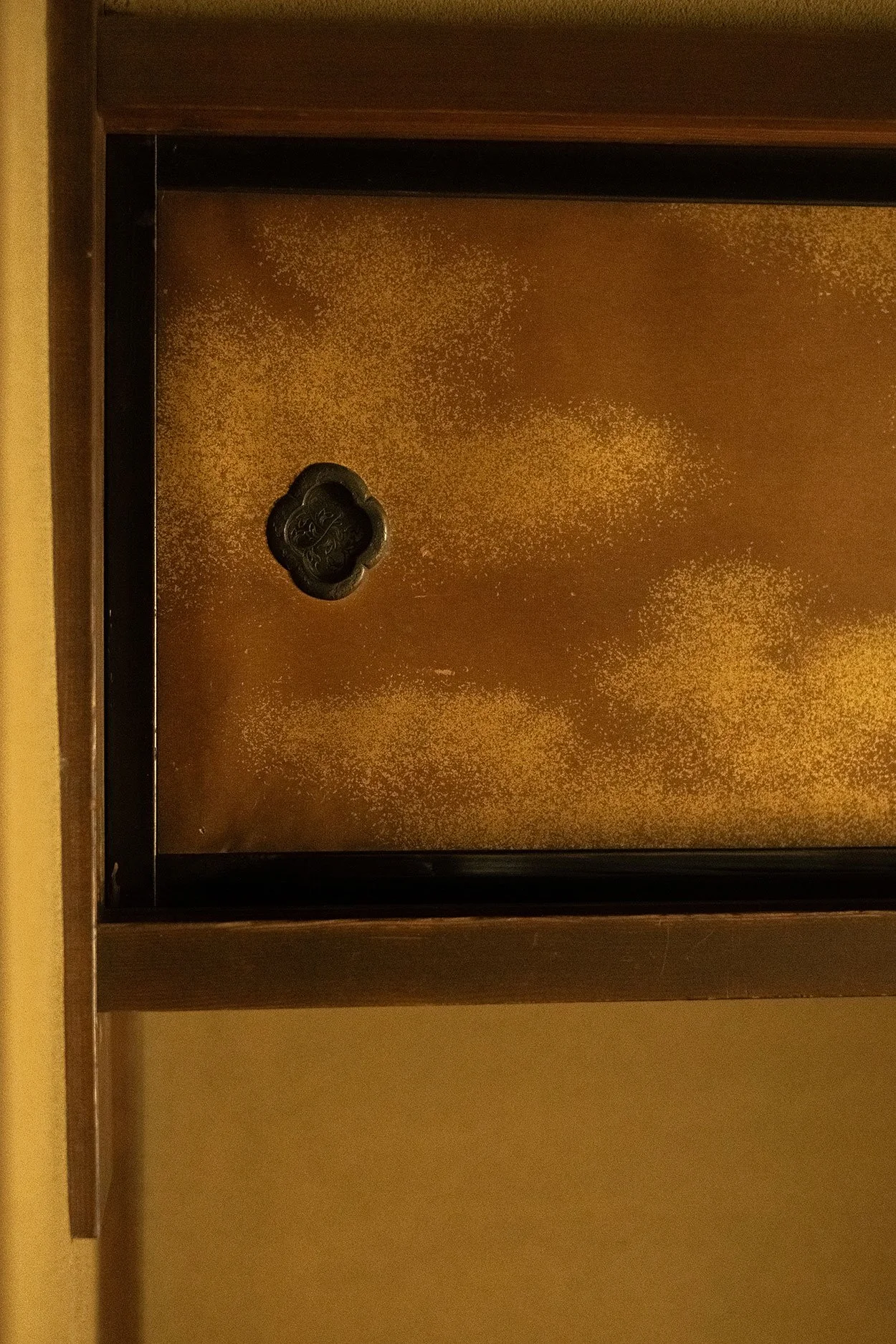
Some buildings stop arguing with time. Their timbers darken, their earthen walls soften at the edges, the paper in their screens collects the faint stains of seasons, and none of it reads as damage. It reads as having been lived in.
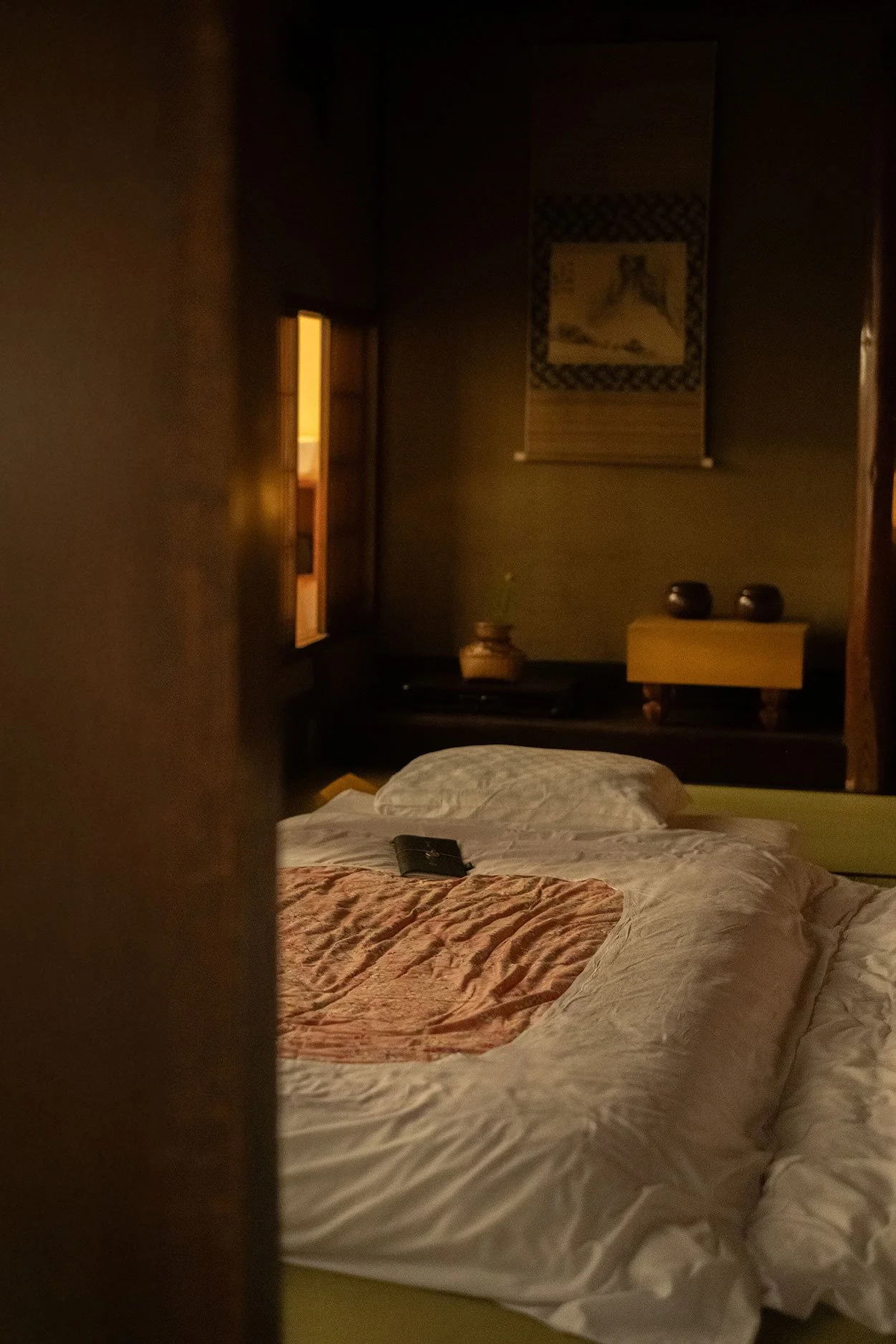
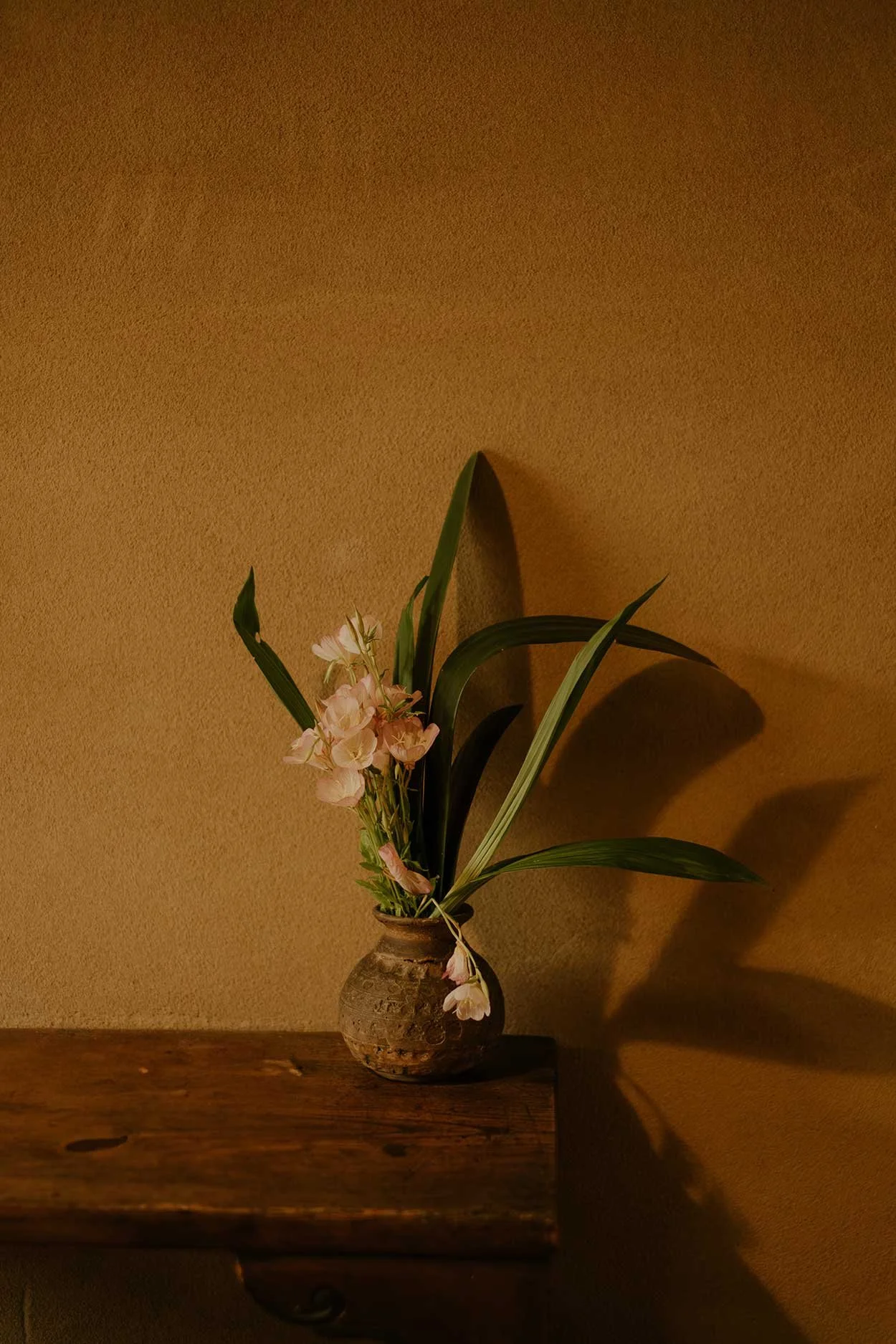
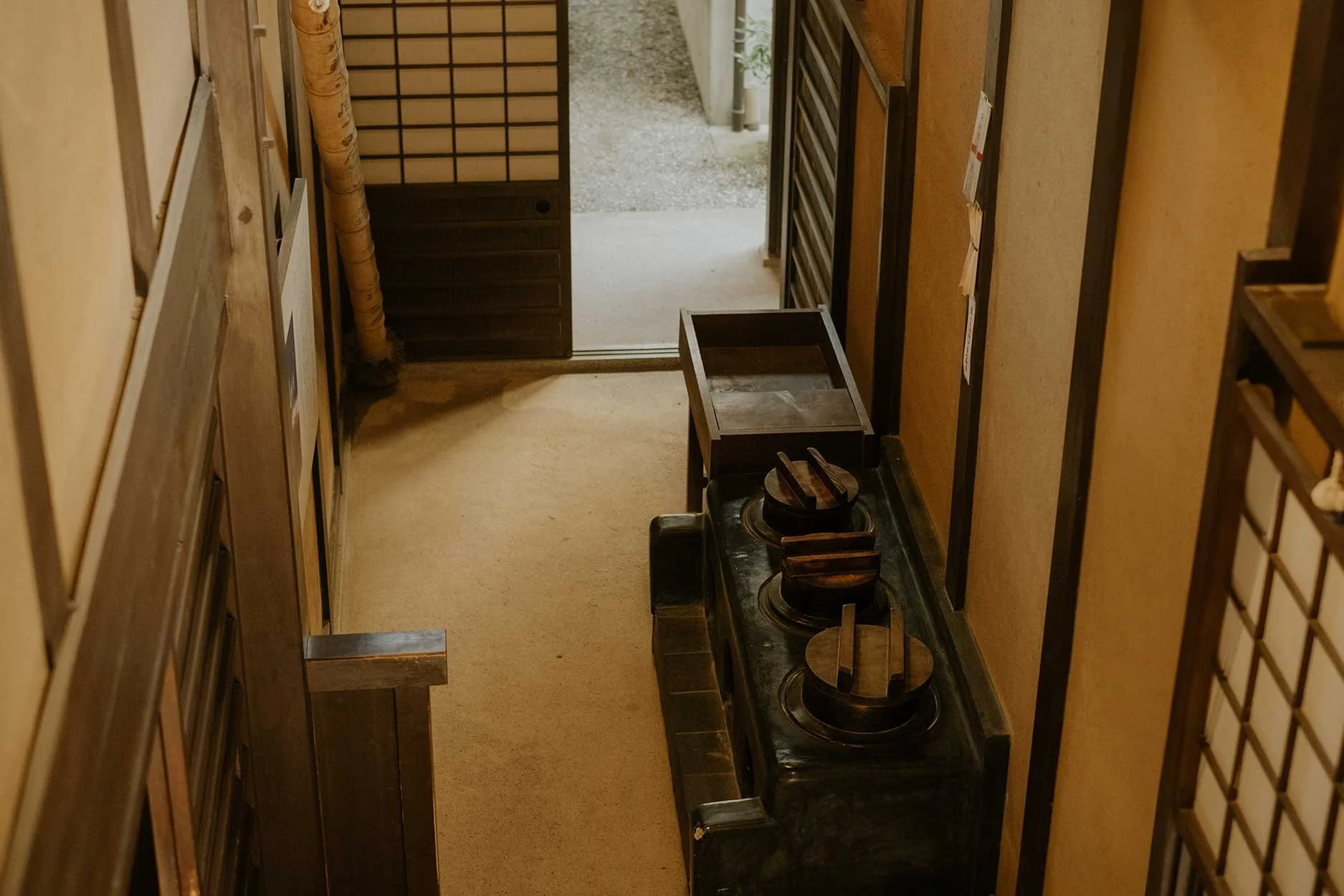
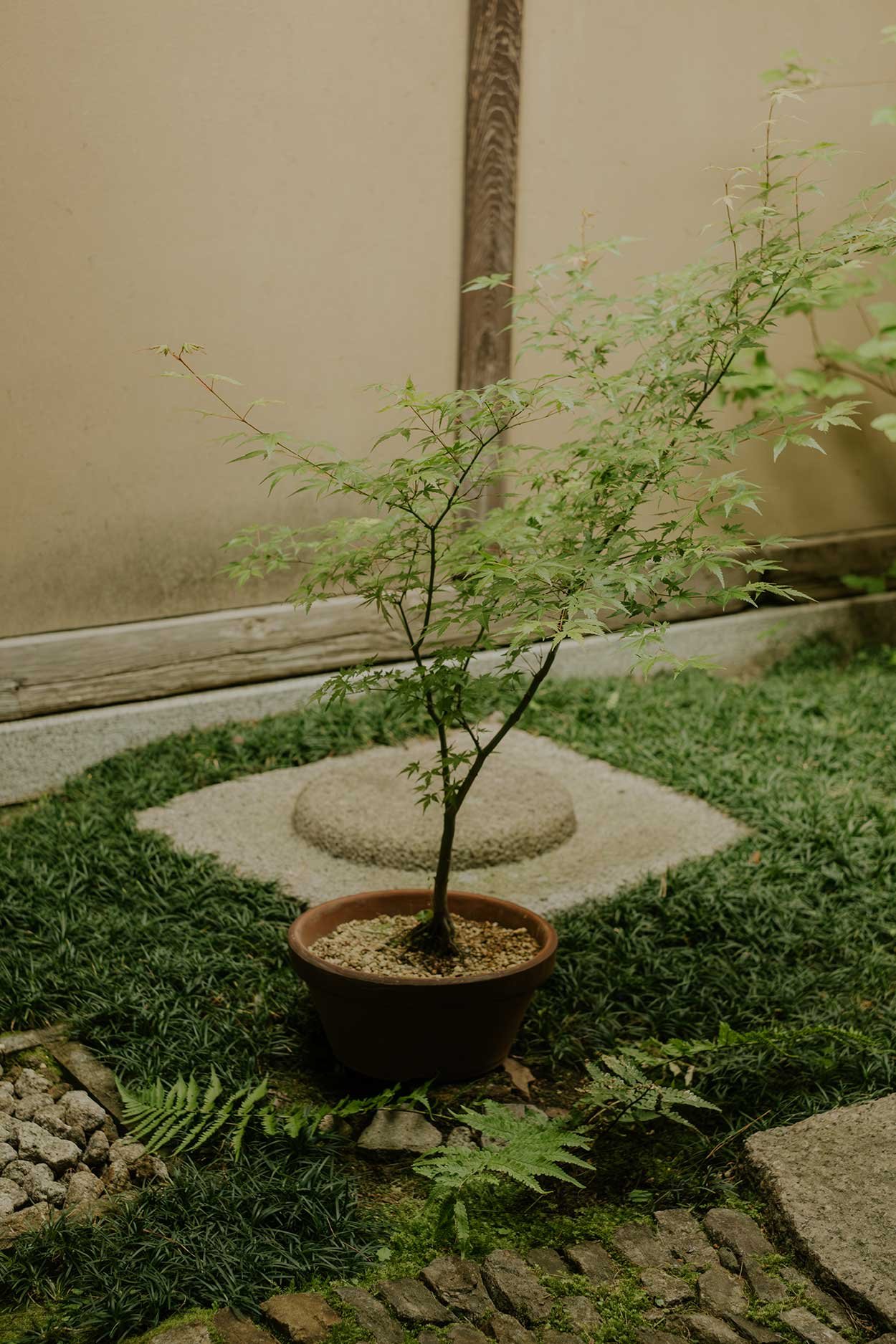
This series follows the minka of the old capitals, Kyoto and Nara: the farmhouses and townhouses of ordinary people, machiya among them, built in the shadow of temples and palaces and outliving many of them in their own quiet way. I photograph them for what they hold rather than what they show: the long light across an engawa in late afternoon, a single stone in a tsuboniwa no wider than a doorway, an object set down with exactly as much care as it needed.
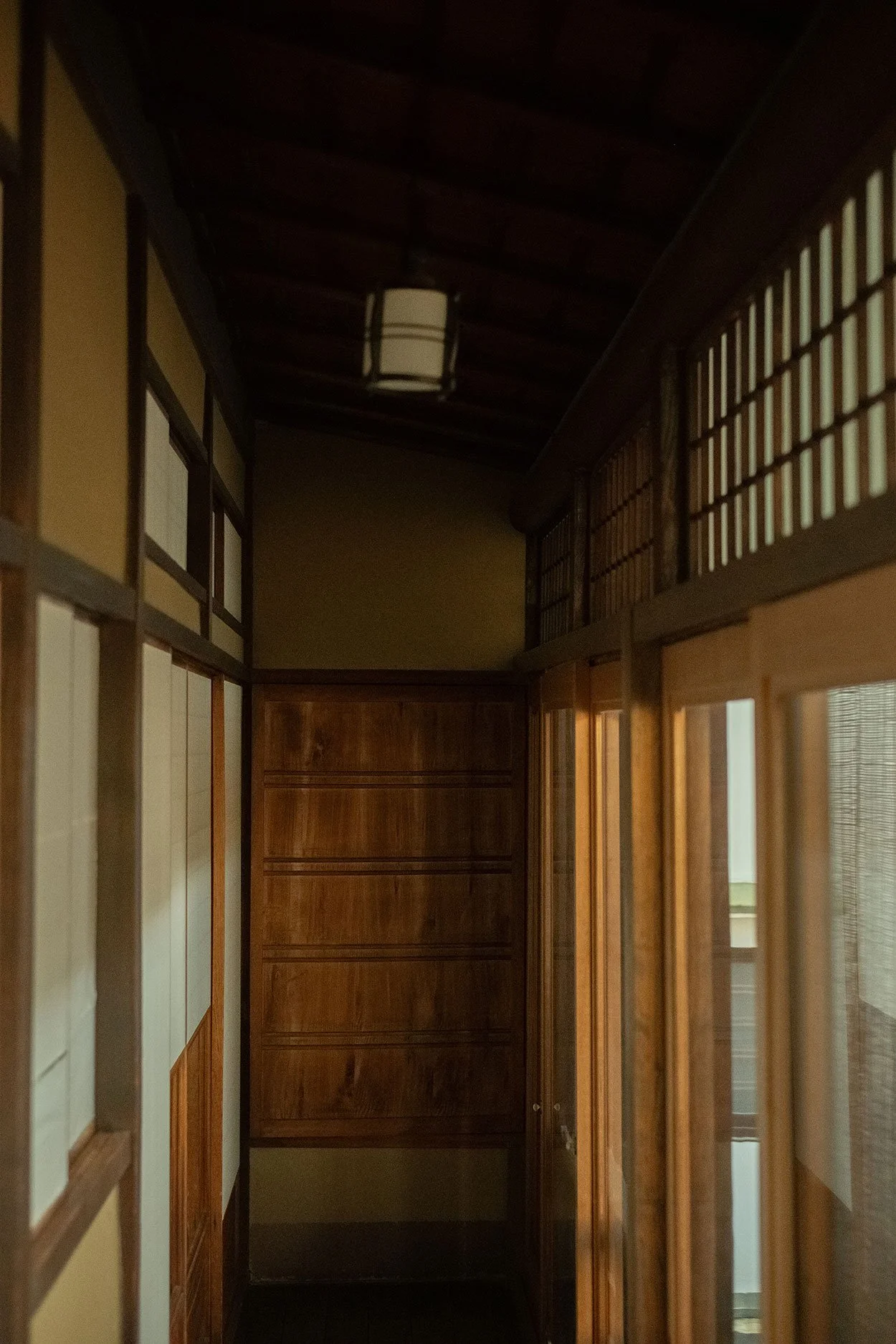
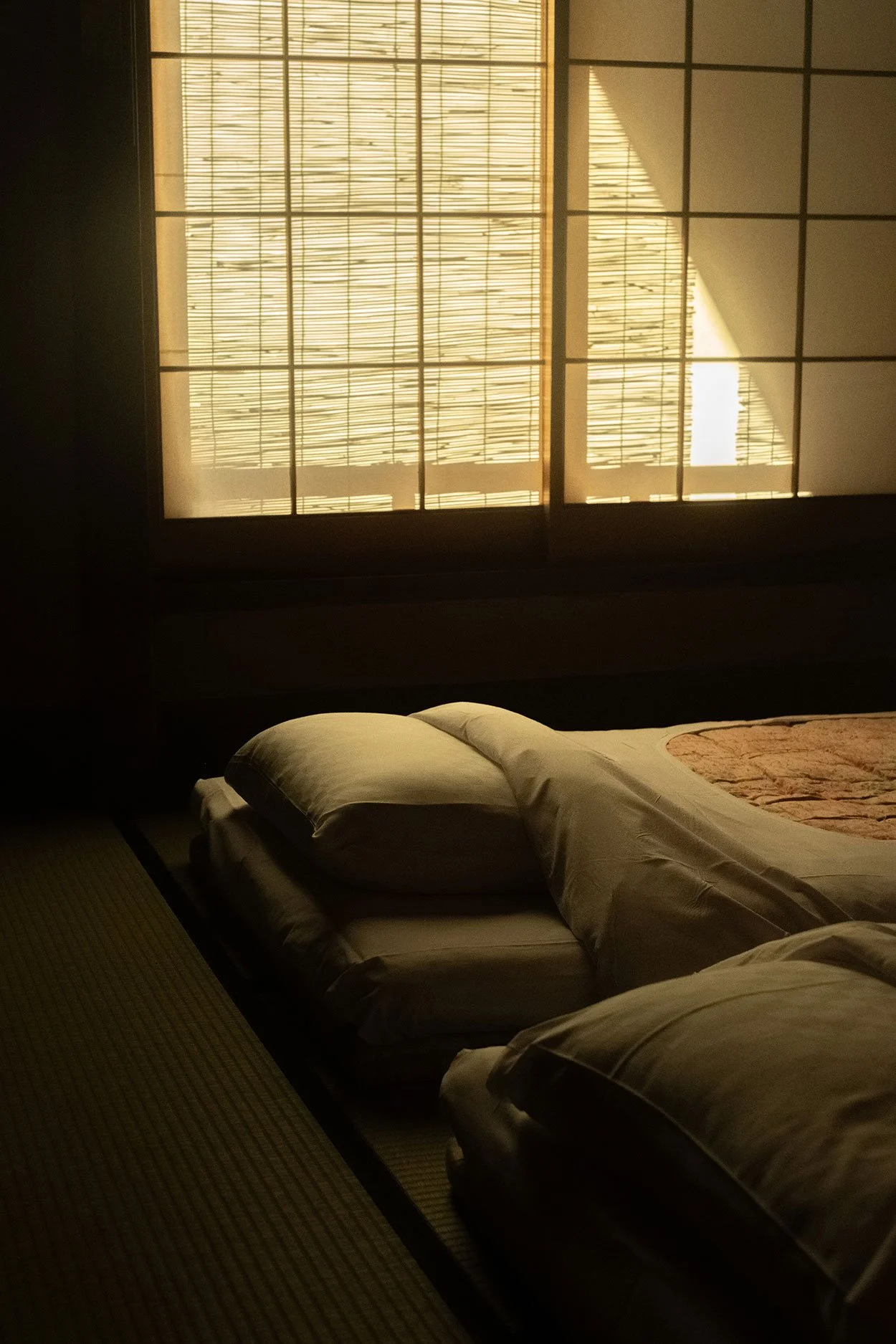
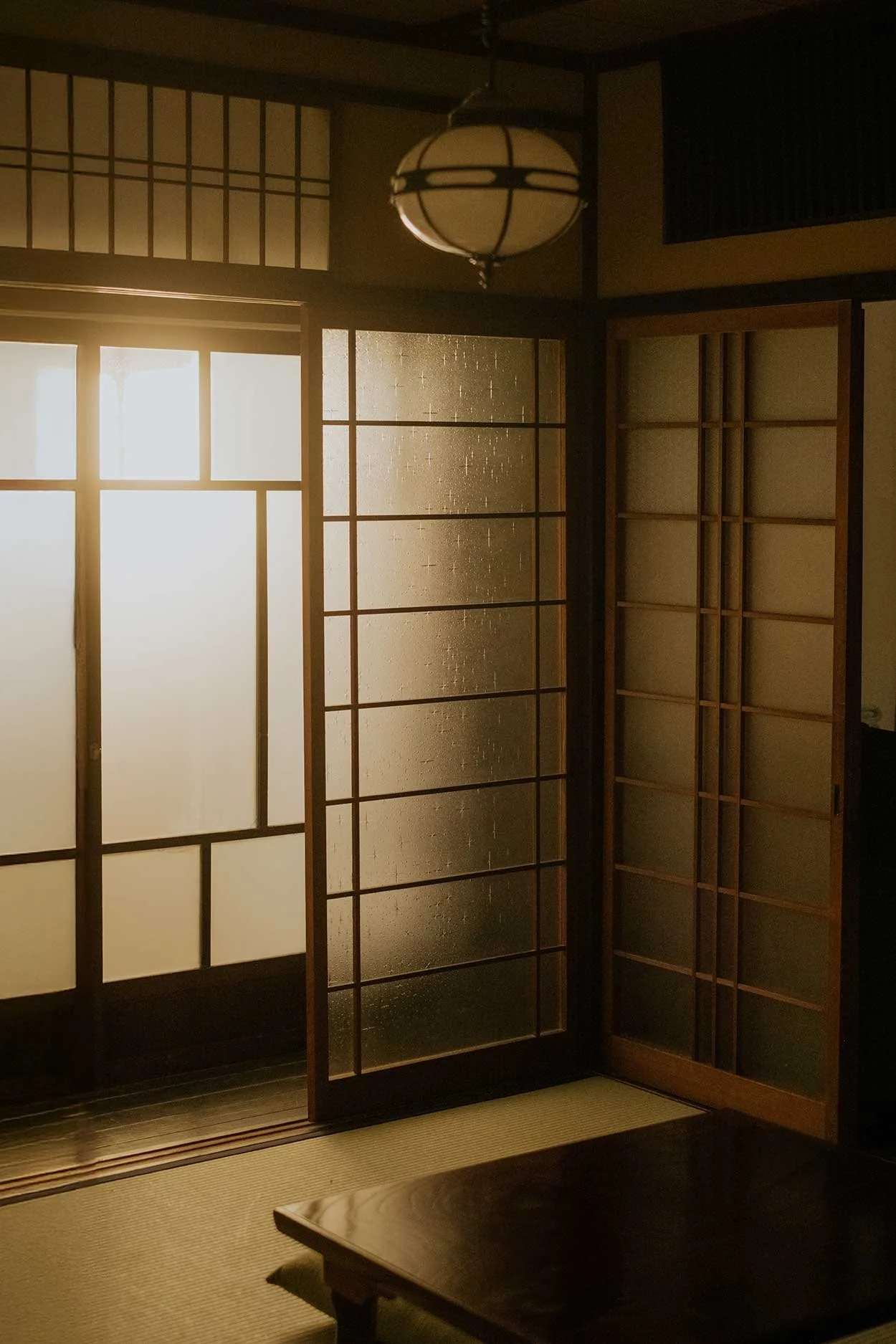
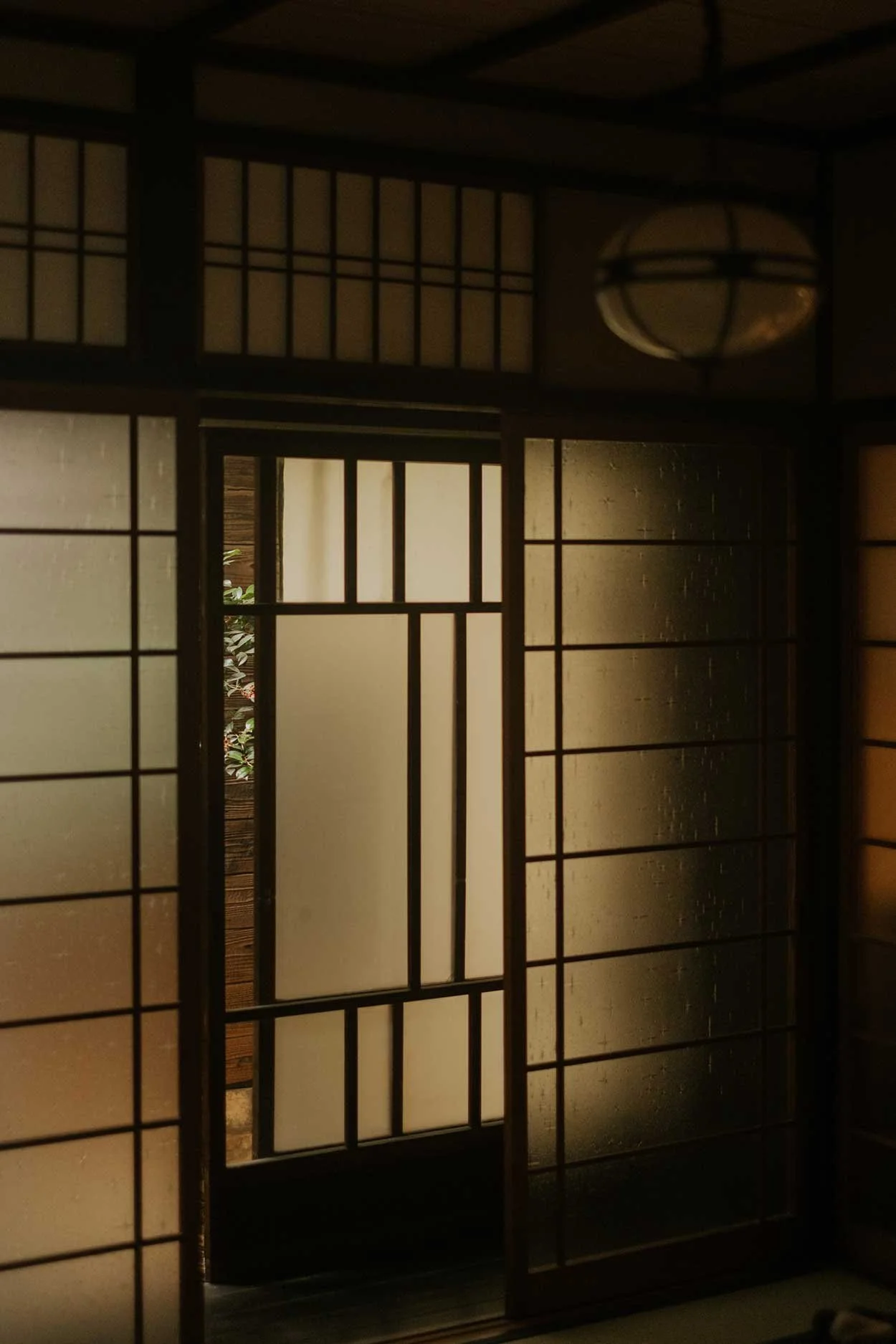
In these houses light rarely arrives directly. It comes sideways, through shoji, and is already softened before it touches anything. Most of the work is waiting for it.
The same attention shapes my work for hospitality. For ryokan, resorts and guesthouses rooted in Japanese architecture, I make images that convey what a place feels like to stay in (its pace, its atmosphere, the care in how guests are received), not only how it looks.